Investor Consortium Backs Graforce’s Plasma Pyrolysis Technology to Revolutionize Low-Carbon Industrial Fuels
A strategic investment consortium composed of Paris-based next-generation fuels industrial and technology fund Calderion (Audacity), infrastructure developer Terravent, and WenCo Family Office has officially closed a significant double-digit million euro funding round for Berlin-based Graforce GmbH. This latest capital infusion is aimed at industrializing Graforce’s patented plasma pyrolysis technology, an innovative approach to producing clean hydrogen and syngas while supporting global decarbonization efforts.
The growing global demand for cost-effective, low-carbon energy solutions has placed innovative technologies like plasma pyrolysis in the spotlight. Graforce’s proprietary approach targets a range of industrial gases, converting them into valuable products with minimal carbon emissions. By combining advanced technology with a modular, decentralized production model, Graforce aims to redefine traditional energy conversion processes and contribute meaningfully to the global energy transition.
A Disruptive Alternative to Conventional Industrial Processes
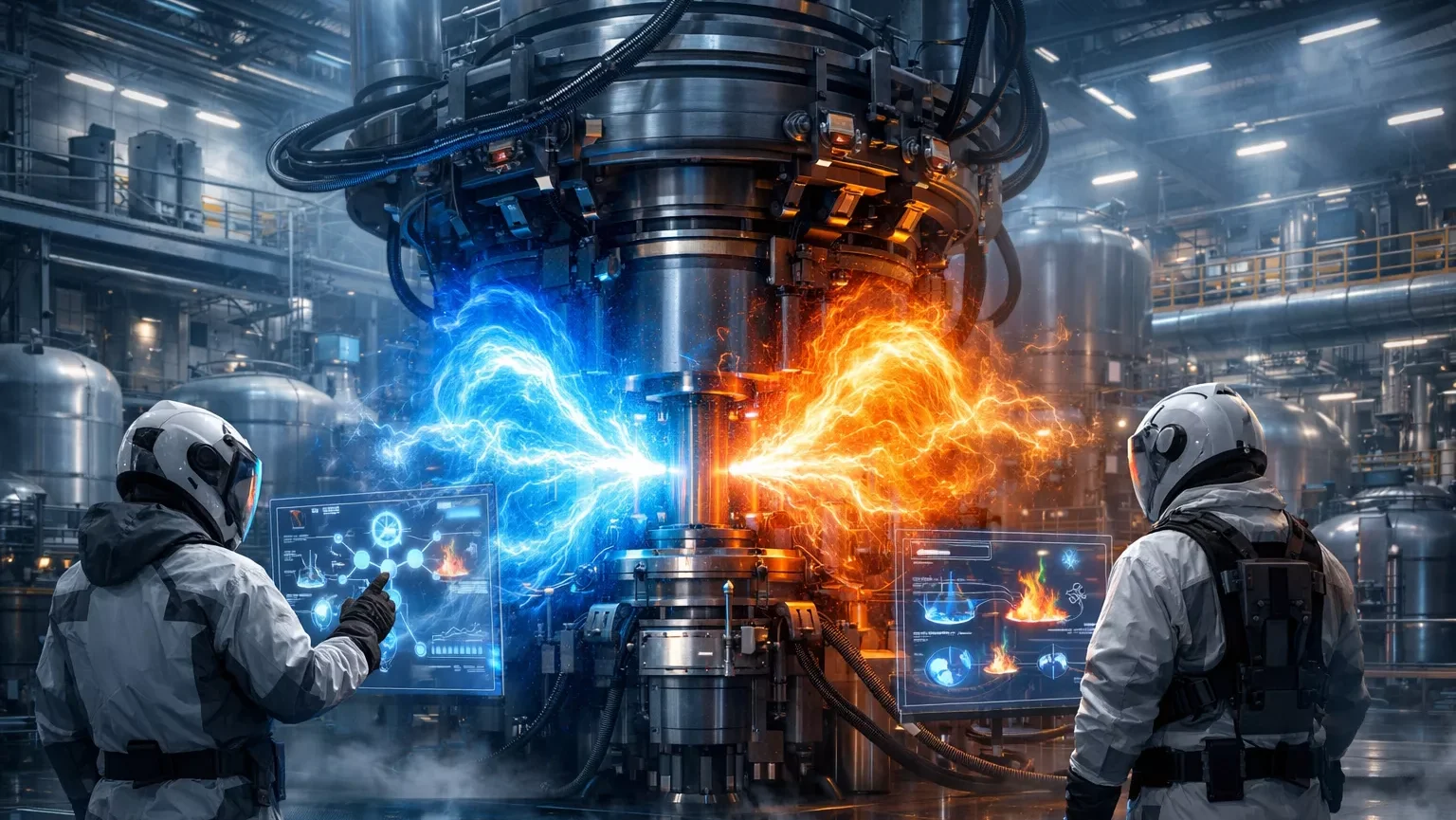
Traditional methods of producing hydrogen and syngas, such as steam methane reforming and conventional gasification, are highly CO₂-intensive and contribute substantially to global greenhouse gas emissions. Graforce’s plasma pyrolysis technology offers a transformative alternative. By applying high-energy plasma to methane, biogas, flare gas, and landfill gas, Graforce can break down these compounds into their elemental molecular components.
Unlike conventional approaches that emit large quantities of CO₂ into the atmosphere, Graforce’s process captures carbon in a high-purity form that can be used as an industrial feedstock, keeping it within material cycles. When biogenic feedstocks are employed, the process effectively achieves negative emissions, permanently removing carbon from the atmosphere. The resulting syngas and hydrogen are produced with high efficiency, creating clean fuels that can be used in multiple industrial sectors.
One of the core advantages of Graforce’s approach is its modularity. Plants can be deployed close to the point of consumption, reducing transportation costs, energy losses, and the logistical complexity associated with large-scale centralized production. This makes the technology particularly attractive for industrial clusters, remote locations, or regions with intermittent renewable energy availability.
Strengthening Industrial Partnerships: Collaboration with RAG Austria AG
In addition to securing new funding, Graforce is deepening its collaboration with energy storage and industrial solutions provider RAG Austria AG. RAG Austria is providing both financial and industrial support for the development of Graforce’s methane plasma pyrolysis plant. The partnership focuses on optimizing plant systems and integrating them into existing industrial operations.
Through this collaboration, Graforce aims to achieve continuous industrial-scale operation while enhancing plant efficiency and reliability. Modular plant designs will allow flexible deployment in locations with variable renewable energy sources, helping to stabilize energy grids and enable more sustainable industrial operations. The cooperation reflects a shared commitment to driving innovation while addressing the practical challenges of decarbonization in complex industrial environments.
Investment Objectives: Scaling Technology and Expanding Market Presence
The new funding will be strategically deployed across multiple fronts. First, Graforce plans to accelerate technological development, refining its plasma pyrolysis process to improve efficiency and scalability. Second, the investment will support the construction of additional industrial plants to meet growing global demand. Finally, Graforce aims to expand its international market footprint, targeting industries where low-carbon syngas and hydrogen can make the most impact, including steel production, chemical manufacturing, and transportation.
By scaling production capacity, Graforce seeks to provide industries with a practical, modular solution that not only reduces carbon emissions but also generates high-value byproducts. The investment ensures the company has the resources to pursue these objectives aggressively, positioning Graforce as a leading player in the next-generation fuels and carbon removal market.
Statements from Key Partners and Stakeholders
Vincent Brillault, founding partner of Calderion, highlighted the strategic fit of Graforce within the fund’s portfolio:
With the addition of Graforce, Calderion strengthens its coverage of next-generation fuel value chains. By combining CO₂ capture, plasma methane conversion, and synthetic fuels, we can enable integrated pathways from methane and CO₂ to low-carbon hydrogen and syngas. This not only contributes to industrial decarbonization but also supports the production of sustainable fuels for marine and aviation sectors. Graforce’s technology provides a compelling solution for natural hydrogen projects, allowing associated methane to be valorized without CO₂ emissions.”
Jens Rötteken, CEO of Terravent, emphasized the strategic importance of modular, decentralized energy solutions:
The flexibility to supply various product gases in a decentralized and emission-free manner closes a crucial gap in the industrial value chain. Terravent brings project planning expertise to help scale this innovative technology globally. We are committed to ensuring that these solutions reach the markets where they are needed most, helping industries reduce emissions while accessing high-quality hydrogen and syngas.”
Dr. Jens Hanke, CEO of Graforce GmbH, reflected on the transformative potential of plasma pyrolysis:
This investment underscores the enormous potential of our plasmalysis technology for a sustainable energy transition. Collaborating with leading industrial partners and investors will allow us to scale our operations efficiently and cost-effectively. Our vision is to make clean hydrogen and syngas accessible at industrial scale while permanently removing carbon from the atmosphere.”
Implications for Industrial Decarbonization
Graforce’s plasma pyrolysis technology represents a significant step forward in the global push for industrial decarbonization. By offering a versatile and modular solution, the company addresses multiple challenges faced by traditional industrial energy processes: high carbon intensity, reliance on centralized production, and limited flexibility to integrate renewable energy sources.
Industries such as steelmaking and chemical production, which are among the largest emitters of greenhouse gases, stand to benefit significantly from Graforce’s technology. By adopting decentralized plasma pyrolysis plants, these sectors can access clean hydrogen and syngas locally, reducing their carbon footprint and contributing to wider climate goals.
Furthermore, the technology aligns with emerging trends in carbon removal and circular economy approaches. By converting biogenic feedstocks into useful products while storing carbon, Graforce supports both environmental sustainability and industrial efficiency.