Catalyst OrthoScience Secures FDA Clearance for Archer® Patient-Specific Instrumentation, Pioneering Precision in Shoulder Arthroplasty
Catalyst OrthoScience Inc. a privately held medical technology company dedicated to transforming shoulder arthroplasty through innovative, surgeon-focused solutions, has announced a significant advancement in its surgical portfolio. The company received U.S. Food and Drug Administration (FDA) 510(k) clearance for its Archer® Patient-Specific Instrumentation (PSI), marking a critical milestone in the company’s ongoing mission to enhance surgical precision and improve patient outcomes in shoulder replacement procedures.
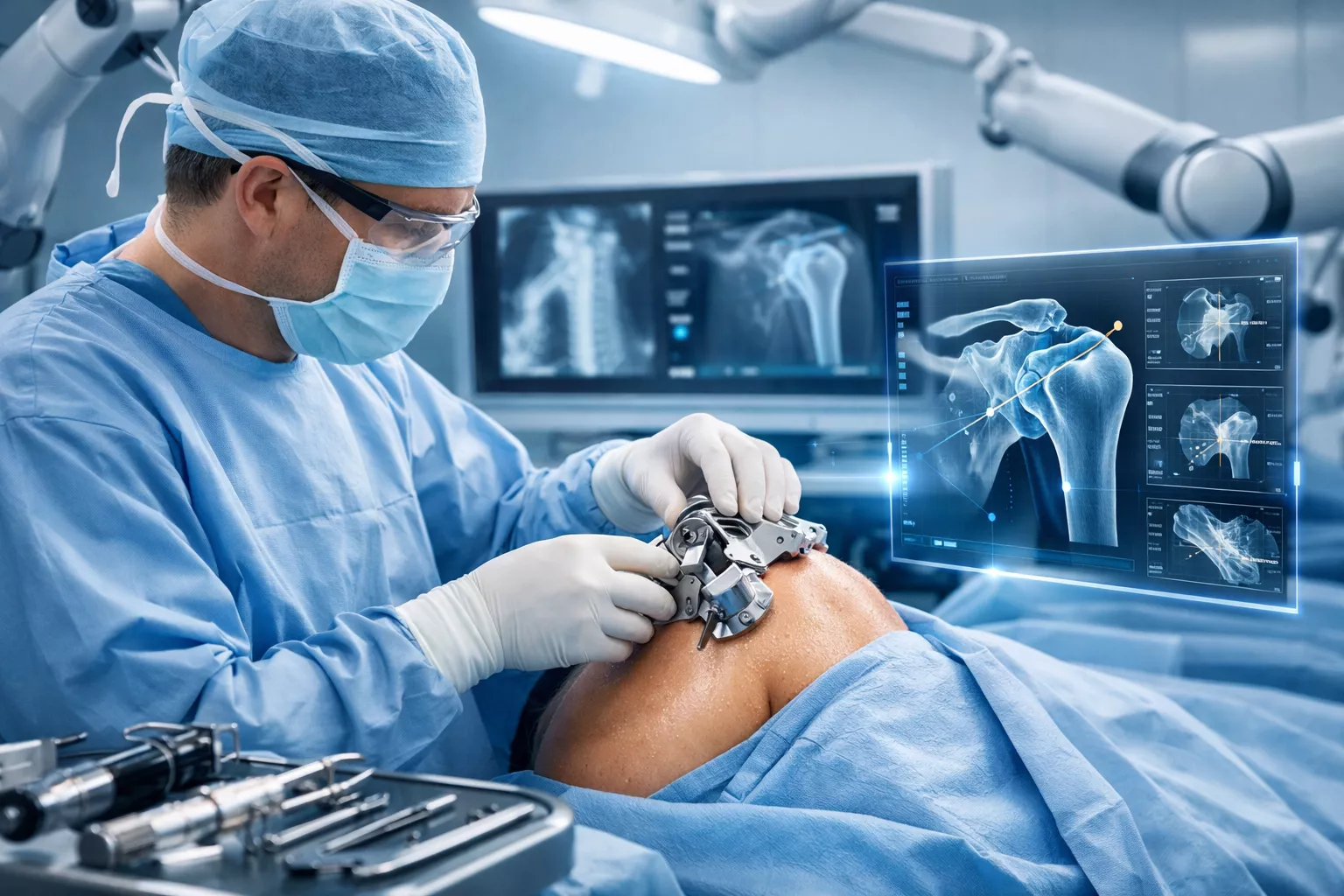
The Archer PSI system, developed in collaboration with 3D-Side, represents a comprehensive suite of patient-specific humeral and glenoid guides designed to match the individual anatomical structures of patients undergoing shoulder arthroplasty. This innovation allows orthopedic surgeons to translate their three-dimensional (3D) preoperative plans into the operating room with unmatched accuracy and confidence. Catalyst is among a small group of companies worldwide to offer patient-specific instrumentation for both the humerus and the glenoid, highlighting its commitment to full-scale, personalized surgical solutions.
Advancing Precision Through Patient-Specific Technology
The integration of patient-specific guides addresses a critical need in orthopedic surgery: the consistent, precise placement of implants. While traditional instruments rely on standard measurements and intraoperative estimations, patient-specific guides like Archer PSI leverage detailed preoperative imaging to create custom tools tailored to each patient’s unique anatomy. This approach reduces variability in implant placement, minimizes the risk of malalignment, and enhances overall surgical outcomes.
When used alongside Catalyst’s Archer® 3D Planning Software, the Archer PSI system enhances the surgeon’s ability to plan each case meticulously. The software allows for detailed visualization of the patient’s shoulder anatomy, enabling surgeons to make informed decisions about implant size, orientation, and placement before ever entering the operating room. By bridging the gap between preoperative planning and intraoperative execution, Archer PSI provides a streamlined workflow that supports both efficiency and precision.
The system is indicated for use in both anatomic and reverse shoulder arthroplasty procedures, giving surgeons the flexibility to personalize humeral and glenoid implant positioning according to each patient’s anatomy and surgical goals. This versatility ensures that even complex cases, such as those involving deformities or prior shoulder injuries, can benefit from a tailored, patient-specific approach.
Clinical and Operational Benefits
Ephraim Akyuz, PhD, Chief Technology Officer at Catalyst, emphasized the significance of the new technology, stating, “As the demand for enabling technologies continues to build, the Archer PSI system is yet another milestone in our commitment to delivering meaningful clinical and operational value to surgeons. The addition of PSI to the Archer 3D planning system allows surgeons to now execute more accurately to their preoperative plans while reducing the number of procedural steps and saving valuable operative time.”
This statement underscores a central advantage of patient-specific instrumentation: the ability to reduce intraoperative complexity. By pre-planning the procedure and using guides that are uniquely designed for the patient, surgeons can avoid repeated measurements or adjustments during surgery, thereby shortening operative times and improving efficiency. Faster surgeries not only enhance workflow in the operating room but also reduce the patient’s time under anesthesia, contributing to better overall outcomes and faster recovery.
Limited Market Release and Surgeon Collaboration
Catalyst has initiated a limited market release (LMR) of the Archer PSI system with select surgeon partners. This phase allows the company to gather real-world insights and feedback, which will inform final product refinements before a broader commercial launch. During the LMR, surgeons are employing the Archer PSI system in both anatomic and reverse shoulder arthroplasty cases, testing its adaptability across different clinical scenarios.
Dr. Matthew Kippe, a participating surgeon in the LMR and one of the original design contributors for Archer, shared his perspective on the system’s impact: “Archer PSI integrates seamlessly into my surgical workflow and minimizes the risk of improper implant positioning. The ability to plan cases in advance and execute with patient-specific guides, tailored to each person’s anatomy, is extremely beneficial, especially in complex anatomy. I look forward to contributing feedback as Catalyst prepares for full commercial release.”
Dr. Kippe’s experience highlights the system’s clinical utility, particularly in challenging cases where precision is paramount. The feedback gathered during the LMR phase is expected to shape enhancements in guide design, software functionality, and overall user experience, ensuring that the system meets the diverse needs of surgeons and patients alike.
A Broader Vision for Shoulder Arthroplasty
The FDA clearance of Archer PSI reinforces Catalyst’s broader mission to redefine shoulder arthroplasty. By focusing on surgeon-driven innovation, the company aims to simplify complex procedures, improve procedural predictability, and enhance patient outcomes. Archer PSI represents a tangible step forward in this mission, providing surgeons with tools that are not only innovative but also practical and clinically impactful.
As the field of orthopedic surgery continues to embrace digital planning and patient-specific solutions, systems like Archer PSI are poised to become integral components of modern shoulder arthroplasty. With its combination of advanced imaging, precise instrumentation, and real-time feedback, the system exemplifies how technology can bridge the gap between planning and execution, ultimately raising the standard of care for patients worldwide.