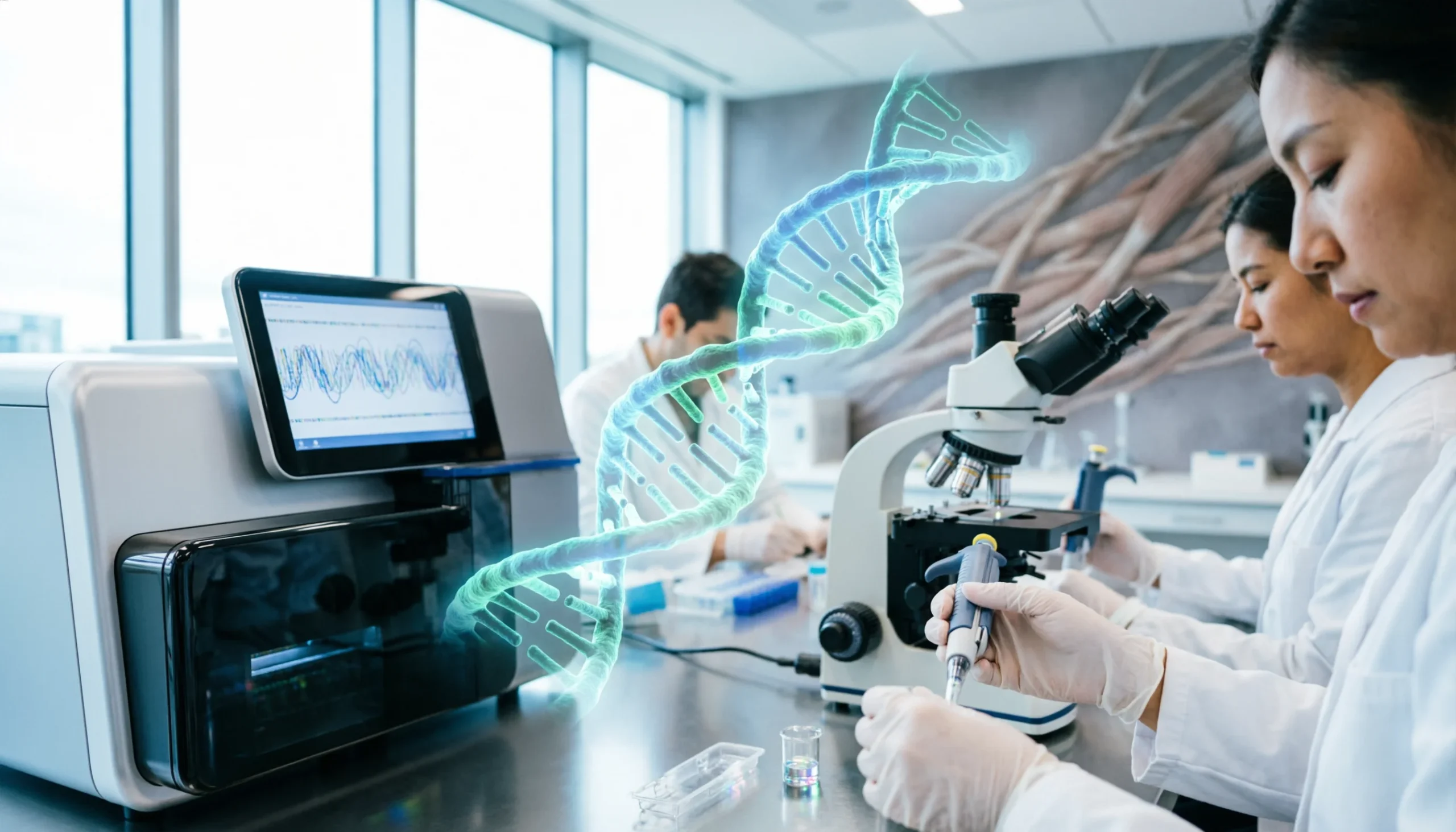
The collaboration funds a multi-year effort to advance a novel ANO5 gene replacement therapy from early development through clinical trial readiness for patients with LGMD2L.
Cure Rare Disease (CRD), a nonprofit biotechnology organization dedicated to advancing treatments for rare and ultra-rare genetic disorders, has announced a landmark multi-year partnership with the LGMD2L Foundation. Backed by a transformative $7.65 million commitment from the Foundation, the collaboration aims to develop a novel gene replacement therapy targeting Anoctamin 5 (ANO5)-related disease, also known as LGMD2L or LGMDR12—a rare and progressive form of limb-girdle muscular dystrophy.
This significant alliance represents a turning point for the LGMD2L community, where patients and families have long faced limited therapeutic options and minimal private-sector investment. By combining CRD’s gene therapy development expertise with the LGMD2L Foundation’s patient-driven mission and financial support, the partnership seeks to accelerate a potential treatment from early-stage research through clinical trial readiness.
A Multi-Year Roadmap to Clinical Trial
The $7.65 million commitment will fund a comprehensive, milestone-based development program designed to move a gene replacement therapy candidate from concept to first-in-human clinical testing. The initiative will cover every major phase required to bring an advanced genetic therapy to patients.
Key stages of the program include:
- Therapeutic Design and Optimization: Scientists will design and refine a gene replacement construct intended to restore functional ANO5 protein expression in affected muscle cells.
- Preclinical Studies: Rigorous laboratory and animal studies will evaluate safety, biodistribution, dosing, and therapeutic efficacy to meet regulatory requirements.
- Manufacturing Scale-Up: Development of scalable, high-quality manufacturing processes under Good Manufacturing Practice (GMP) standards to ensure consistency and safety.
- Regulatory Preparation: Compilation of data necessary for submission of an Investigational New Drug (IND) application.
- First-in-Human Clinical Trial: Initiation of an early-phase trial to assess safety, tolerability, and preliminary effectiveness in individuals living with ANO5-related disease.
By funding the full development continuum, the LGMD2L Foundation is enabling CRD to deploy its integrated drug development engine without delays often associated with fragmented funding. This streamlined approach is particularly critical in rare diseases, where patient populations are small and timelines can be prolonged without coordinated effort.
Addressing ANO5-Related Disease
LGMD2L, also referred to as LGMDR12, is a subtype of limb-girdle muscular dystrophy caused by mutations in the ANO5 gene. The ANO5 gene encodes the protein anoctamin-5, which plays a vital role in muscle cell membrane repair and normal muscle function. When mutations impair this protein’s function, muscle cells cannot properly repair damage incurred during normal activity.
The disease primarily affects muscles around the shoulders, upper arms, hips, and thighs—collectively known as the limb girdle muscles. Patients often experience progressive weakness that interferes with everyday activities such as walking, climbing stairs, lifting objects, or rising from a seated position. Over time, healthy muscle tissue degenerates and is replaced by fat and fibrotic scar tissue, leading to further loss of strength and mobility.
Although LGMD2L is considered rare, its impact on individuals and families is profound. Currently, there are no approved disease-modifying treatments that address the underlying genetic cause. Standard care typically focuses on symptom management, physical therapy, and supportive interventions rather than halting disease progression.
Gene replacement therapy offers a promising strategy by delivering a functional copy of the ANO5 gene directly into muscle cells, potentially restoring protein production and improving cellular repair mechanisms.
Leveraging Next-Generation AAV Technology
CRD’s gene therapy platform utilizes adeno-associated virus (AAV) vectors to deliver therapeutic genes into target tissues. Importantly, the company is employing a next-generation AAV capsid designed to improve safety and performance compared to earlier-generation vectors.
Capsids serve as the outer shell of viral vectors and determine how effectively the therapy reaches specific tissues. The next-generation AAV capsid under development is engineered to enhance muscle targeting while potentially reducing immune responses and off-target effects. This innovation may allow for lower dosing and improved tolerability—key considerations in systemic gene therapies for neuromuscular diseases.
In addition to the ANO5 program, CRD’s pipeline includes gene replacement therapeutics targeting other forms of limb-girdle muscular dystrophy, including LGMD2i/R9 and LGMD2g/R7, as well as programs addressing other neuromuscular and neurodegenerative conditions. By leveraging shared platform technologies across multiple indications, CRD aims to accelerate development timelines and reduce overall costs.
The Power of Patient-Led Investment
The partnership underscores a growing movement in rare disease research: patient advocacy organizations directly funding and shaping therapeutic development.
“This partnership with the LGMD2L Foundation is a testament to the power of collaboration between drug development organizations and advocacy groups in the fight against rare diseases,” said Rich Horgan, CEO of Cure Rare Disease. He emphasized that the substantial funding commitment allows CRD to rapidly advance a promising gene therapy candidate and bring renewed hope to families affected by LGMD2L.
Hal Tily, Vice President of Research for the LGMD2L Foundation, highlighted the urgency behind the initiative. Gene therapy represents one of the most promising therapeutic avenues for this devastating disease, yet no private-sector programs are currently advancing this approach specifically for ANO5-related conditions. By investing directly in a dedicated development program, the Foundation is taking an active role in shaping the future of treatment.
Founded in 2018, the LGMD2L Foundation initially focused on community building, awareness, and patient support. In 2024, it expanded its mission to include direct funding of research initiatives. The $7.65 million commitment marks a bold step in that evolution, demonstrating how patient-led organizations can catalyze progress where traditional pharmaceutical pipelines may hesitate due to small market size or perceived financial risk.
Transforming the Rare Disease Landscape
Rare diseases collectively affect hundreds of millions of people worldwide, yet individual conditions often receive limited research investment. Traditional pharmaceutical models may overlook ultra-rare disorders due to high development costs and small patient populations.
Nonprofit biotechnology models like CRD’s seek to bridge that gap by focusing on mission-driven innovation rather than commercial scale alone. By combining philanthropic capital with advanced gene therapy platforms and regulatory expertise, such collaborations can de-risk early development and attract broader support.
This initiative reflects a shared mission: to streamline the path from laboratory discovery to patient access. If successful, the ANO5 gene replacement program could serve as a blueprint for similar patient-driven collaborations in other rare genetic disorders.